











India's gold market is not just about shopping. It reflects cultural heritage, consumer demand, and a long-standing trust in gold jewellery as both adornment and store of value. If you are planning a purchase, you need more than the daily price of gold; you also need to understand local market practices, making charges, purity checks, and how different cities sell and price jewellery. This guide walks through six famous gold-buying clusters and what to expect from each, and points you toward
Once you know which market suits your needs, you can browse verified jewellers across India on GoldJewellers before you travel.
The Most Famous Gold Markets of India Every Savvy Buyer Should Know
India's gold market is shaped by powerful regional centres where gold jewellery buying has grown through tradition, volume, and trust. The most recognised names include Bowbazar in Kolkata, Zaveri Bazaar in Mumbai, T Nagar in Chennai, Karol Bagh in Delhi, Thrissur in Kerala, and Keranitola in West Bengal.
What makes them unique? Some lead in heritage craftsmanship, some in scale, and others in wholesale gold trade or reputed showroom networks. Gold demand, price competition, and city-specific design preferences all influence how buyers experience these markets.
1. Bowbazar, Kolkata: The Historic Gold Jewellery Hub
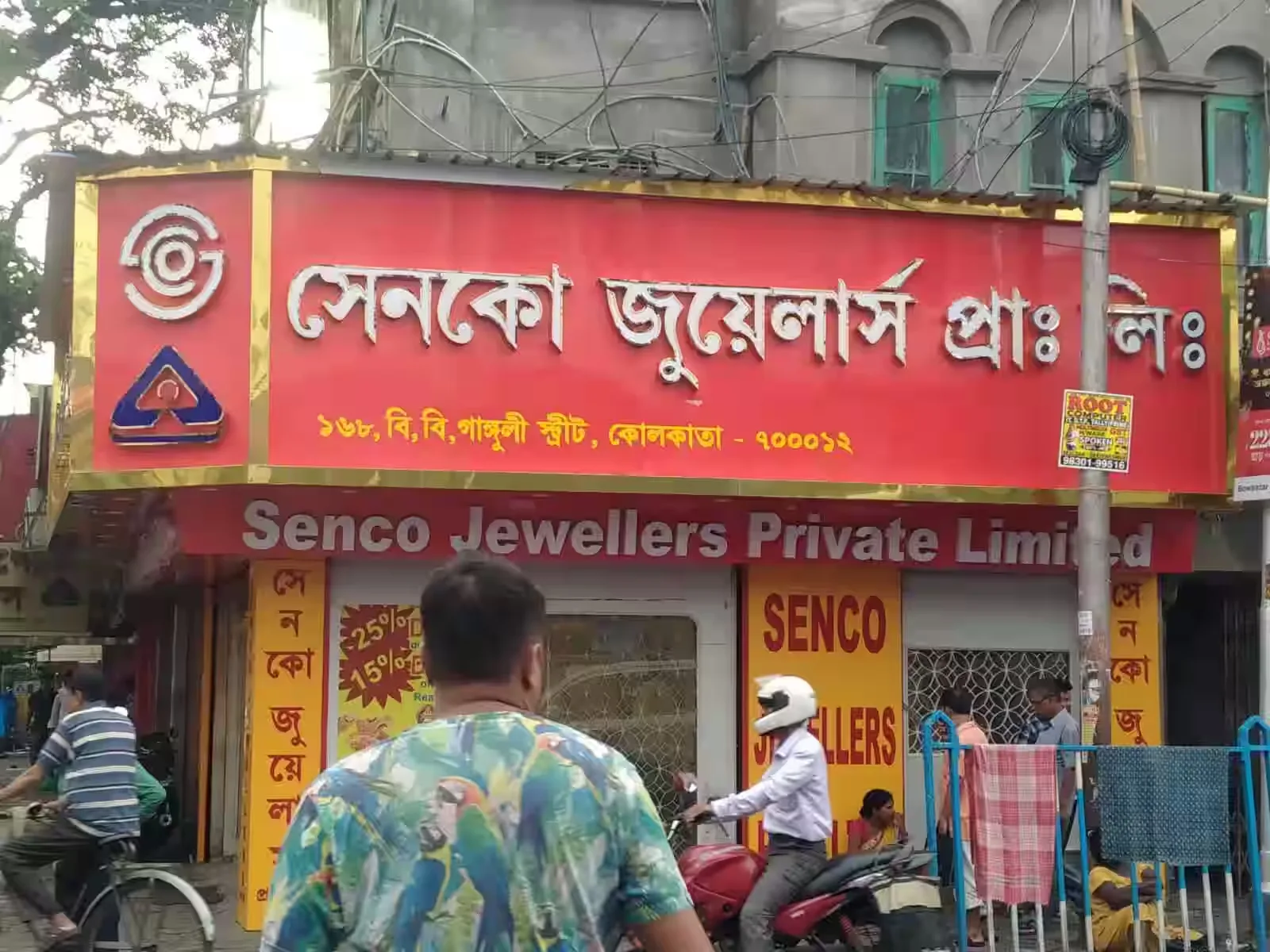
Bowbazar is one of Kolkata's best-known gold market clusters and carries deep cultural heritage. Buyers often associate the area with old jewellery businesses, long family ownership, and a strong connection to Bengal's traditional gold trade. If you are planning a dedicated shopping trip, this area is worth researching for its concentration of jewellers and strong local reputation.
Here are some top-listed jewellery stores with good reviews and design options, so you don't have to get confused by many options:
H K Dutta & Co Jewellers — B B Ganguly Street, Bowbazar (4.4★, 453 reviews) | View Store
Anjali Jewellers - B.B. Ganguly St, since 2011, one of Kolkata's most-reviewed jewellers | View Store
R K Chandra Gold Jewellers — Bowbazar | View Store
What should you expect? Bowbazar is known for solid gold jewellery with intricate designs that reflect Bengali taste and ceremonial use. The appeal is not only visual, but buyers also value the sense of continuity that comes from shopping in a historic market where craftsmanship still matters.
Before you go, it helps to shortlist sellers rather than pick one on the spot. Browse verified gold jewellers in Kolkata to compare hallmark status, ratings, and store details ahead of your visit.
→ See All Verified Shops in This Market
2. Zaveri Bazaar, Mumbai: India's Iconic Gold Marketplace
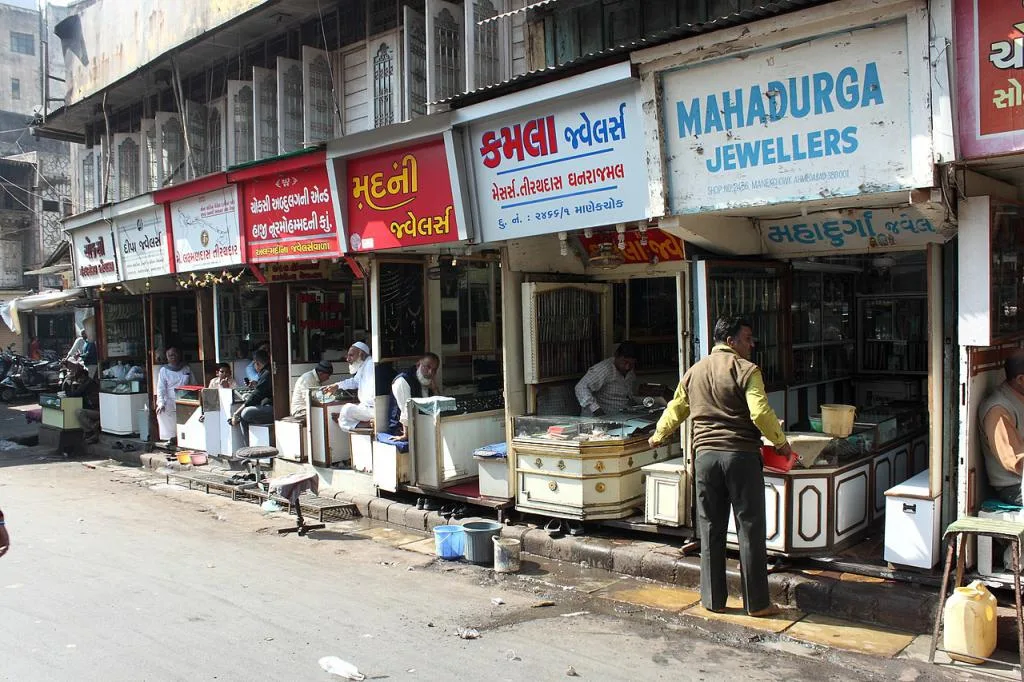
Zaveri Bazaar is often seen as one of the most iconic names in India's gold market. Located in Mumbai, it is widely recognised for its extensive selection, competitive environment, and long-established trading identity. Buyers searching for a famous market usually place Zaveri Bazaar high on the list because of its scale and visibility.
Below are our top references of famous gold jewellers in this market:
Mehta Jewellers — Zaveri Bazar-Kalbadevi (4.2★, 73 reviews) | View store
Tribhovandas Bhimji Zaveri (TBZ) — flagship 5-floor store, headquartered in Zaveri Bazaar since 1864 | View Store
Its main advantage is choice. You can compare gold prices, design styles, and making charges across many sellers in one locality, a comparison that can help you judge value more practically, especially when retailer margins differ from shop to shop.
Volume alone should not guide your purchase, though. Start your shortlist with verified jewellers in Mumbai, so you're comparing hallmark and rating details before you're standing in a crowded lane.
→ See All Verified Shops in This Market
3. T Nagar, Chennai: A South Indian Gold Shopping Paradise
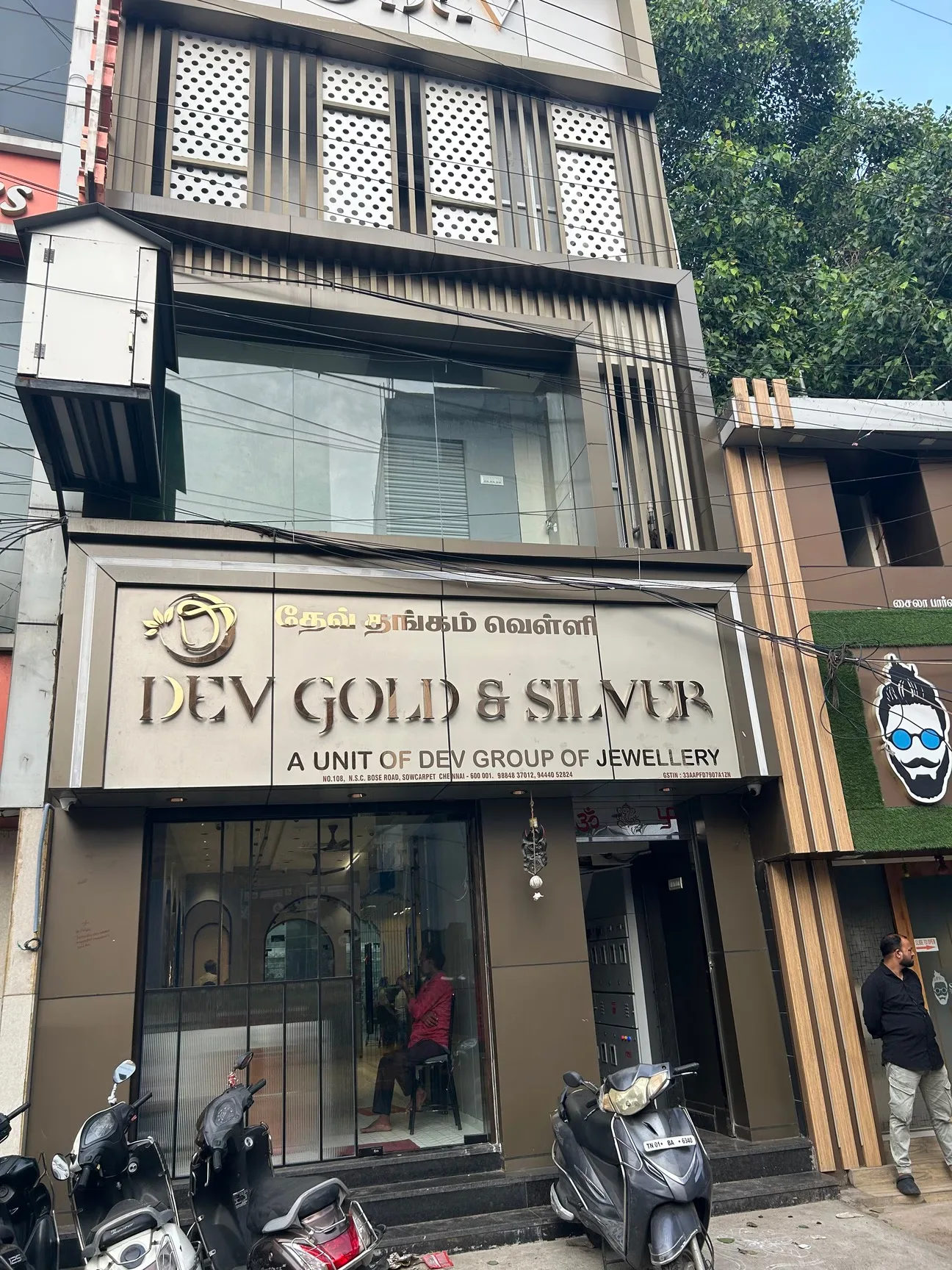
Chennai is always part of any serious list of top cities for gold jewellery, and T Nagar is central to that reputation. It is a major commercial zone where heavy footfall, festival buying, and bridal demand support a highly active gold market. Buyers looking for depth and variety often start here.
The area is known for a broad network of gold retailers, from traditional jewellers to larger branded stores. That mix gives you both heritage-style shopping and a more standardised showroom experience, with a wide spread of designs for daily wear and ceremonial purchases.
Making charges can vary sharply between similar-looking pieces here, so it pays to compare in advance. See verified jewellers in Chennai and ask each shortlisted store for a full cost breakup before you commit.
→ See All Verified Shops in This Market
4. Karol Bagh, Delhi: Trusted Gold Shops and Showrooms
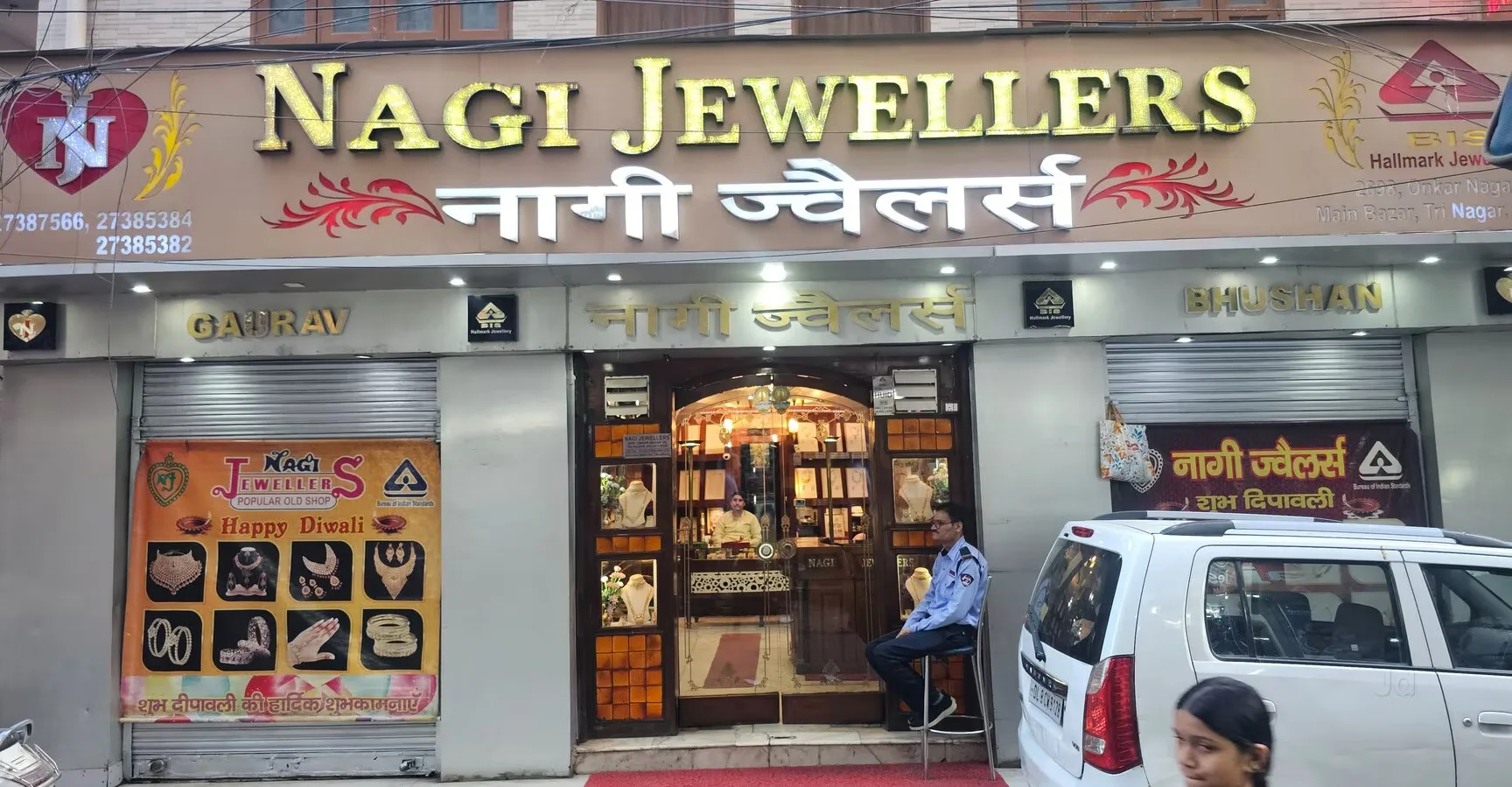
Karol Bagh has long been a recognised destination for gold jewellery in Delhi. It attracts buyers who want a broad mix of traditional and contemporary styles without losing the reassurance of an established retail presence. In practical terms, Karol Bagh works well for people who prefer visible showroom formats over purely informal market buying.
One reason buyers trust this gold market is the presence of reputed jewellers alongside well-known brands. That structure supports easier comparison of design, billing clarity, and after-sales terms, which for many households makes gold purchases feel more controlled and less uncertain.
Display size is not proof of reliability, though. Check the verified jewellers in Delhi listing for hallmark status and buyback terms before you narrow your shortlist.
→ See All Verified Shops in This Market
5. Thrissur, Kerala: Wholesale Gold Jewellery Capital
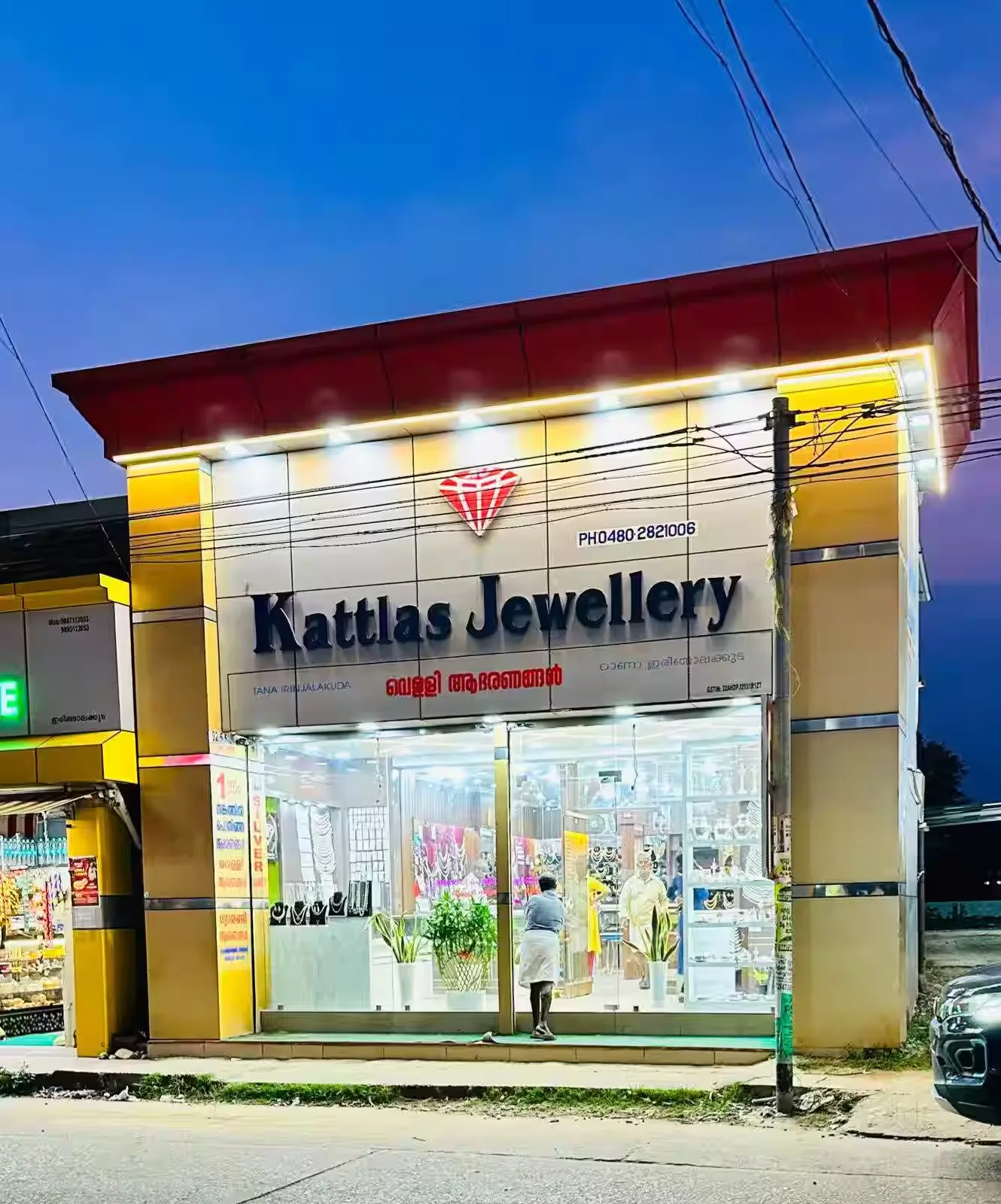
If you are asking whether India has markets known for wholesale buying, Thrissur is one of the clearest answers. The city is often associated with large-scale gold trade and strong distribution networks, giving it a distinct place within the national gold market. Its importance goes beyond walk-in retail demand.
Thrissur's strength lies in wholesale gold jewellery activity, where scale, supply efficiency, and steady business relationships shape buying patterns. For trade-linked buyers, that makes the city significant; for retail buyers, it signals access to a market influenced by volume and professional sourcing standards.
Even in a wholesale-led environment, quality assurance still matters. Browse verified jewellers in Thrissur and confirm hallmarking and invoice discipline, especially if you are buying in quantity.
→ See All Verified Shops in This Market
6. Keranitola, West Bengal: Notable Local Jewellery Showrooms
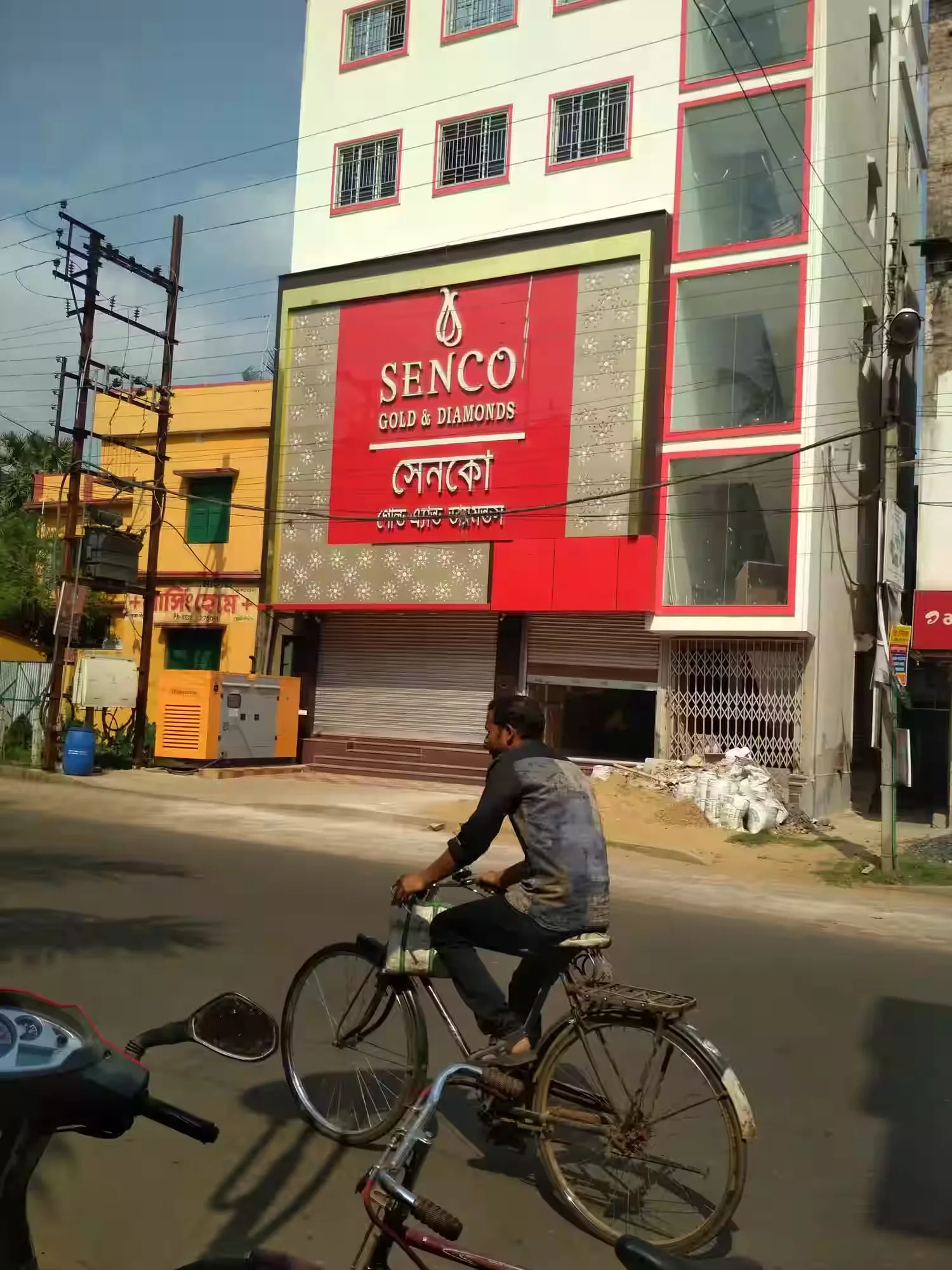
Keranitola, in West Bengal, is known locally for a cluster of jewellery showrooms offering gold designs alongside more competitive making charges than some larger metro markets. As with any regional market, authenticity should never be assumed on reputation alone; look for Bureau of Indian Standards (BIS) hallmarking on every piece and insist on a transparent, itemised bill.
For a broader shortlist of verified options in the state while this locality page is being confirmed, start with verified jewellers in West Bengal.
→ See All Verified Shops in This Market
Unique Features of India's Major Gold Markets
India's gold industry is not organised around one standard buying model. Instead, each gold market reflects its own local structure, from dense traditional lanes to branded showroom belts and wholesale-driven cities. Those differences shape price comparison, comfort, transparency, and design access; some markets let you compare many jewellers quickly, while others offer a more controlled retail journey.
Distinctive Jewellery Styles and Craftsmanship Across Regions
Regional identity is one reason India's major gold markets remain so influential. Buyers do not visit these places only for rates; they go for craftsmanship, design language, and the confidence that comes from markets shaped by local cultural heritage and long-standing gold demand.
Bowbazar and Keranitola appeal to buyers interested in Bengal-linked styling, while Karol Bagh attracts those who want wider urban variety. T Nagar stands out for South Indian buying scale, and Zaveri Bazaar is valued for sheer market depth.
• Bengal markets are often associated with intricate designs and strong traditional character.
• T Nagar reflects high-volume demand with extensive ceremonial and daily-wear gold jewellery options.
• Zaveri Bazaar offers dense comparison across sellers, useful for design and price evaluation.
• Thrissur's reputation is tied more closely to craftsmanship linked with trade scale and wholesale strength.
Blend of Traditional and Modern Gold Buying Experiences
Today's buyer often moves between traditional gold buying and newer investment formats. Market clusters remain important for physical gold, especially jewellery, coins, and ceremonial purchases. The wider Indian landscape now also includes digital gold, gold ETFs, and sovereign gold bonds for buyers who value convenience or limited capital entry.
If your goal is adornment or gifting, physical visits still matter; you can inspect finish and compare making charges side by side. If your focus is flexible allocation, liquidity, or gradual accumulation, digital gold or sovereign gold bonds may suit you better. The right choice depends on use, not trend.
Key Factors to Consider When Buying Gold in Traditional Markets
Traditional market buying offers variety and room for comparison, but it also demands discipline. Before making a purchase, check gold purity, ask for hallmarking details, and understand how the final rate is built from gold prices, making charges, GST, and any added components. It also helps to compare multiple sellers within the same gold jewellery market, since similar-looking pieces may differ in labour cost, wastage, or margin.
Assessing Authenticity and Hallmarking in Indian Markets
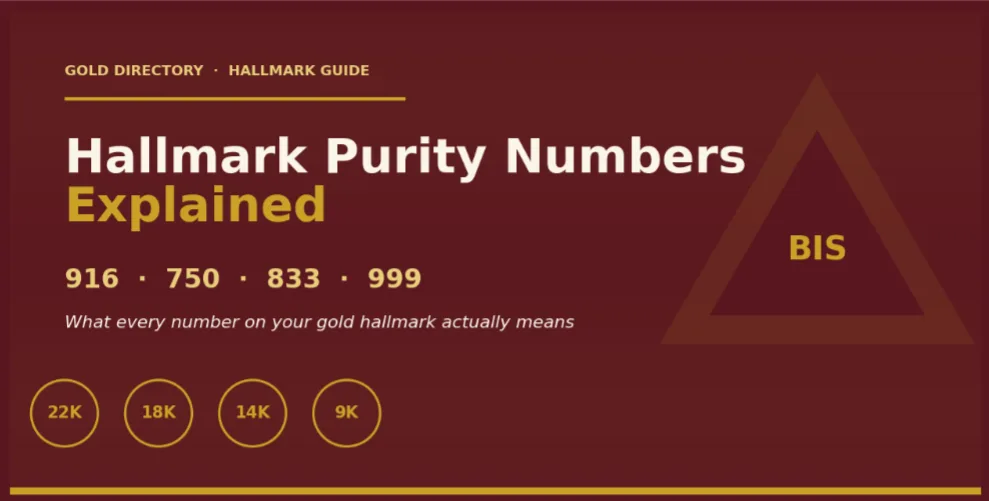
Authenticity is the first test of a smart purchase. In Indian markets, gold hallmarking gives buyers a structured way to assess gold purity instead of relying only on verbal assurance. This is where the Bureau of Indian Standards (BIS) becomes central, because hallmarking supports quality assurance and transparency.
Ask whether the piece falls under mandatory hallmarking norms and whether the invoice clearly states purity. A proper bill matters because it supports future resale, exchange, and dispute handling. If a seller avoids clear documentation, treat that as a warning sign.
Checkpoint: What you should verify
Hallmarking status: Confirm that the ornament carries recognised BIS hallmarking details.
Purity claim: Match the stated gold purity with the product description and bill.
Invoice: Ensure weight, rate, making charges, GST, and final amount are listed.
Seller transparency: Ask direct questions on exchange, buyback, and testing procedures.
Bargaining, Pricing Trends and Comparing with Online Gold Rates
Market buyers often assume lower visible rates always mean better value. That's not enough! Gold prices may look similar across shops, but the final bill can shift because of making charges, retailer margins, GST, wastage, and stone-related additions. Price comparison must focus on the total payable amount.
Online gold rates for different cities can help as a reference point, but they do not fully capture market-style buying, since jewellery includes labour and design costs. Government regulations, import duty, and tax structures also influence what you finally pay offline, so compare like with like rather than headline numbers.
Start with the daily base rate, then ask for the full final price.
Compare making charges across at least three sellers in the same market.
Check whether discounts apply only to labour and not to gold value.
Use online gold rates as a benchmark, not as the sole decision tool.
Safety and Trustworthiness in India's Famous Gold Markets
Yes, famous markets can be safe for tourists and first-time buyers, but safety comes from process, not popularity. You improve your odds by choosing trusted gold shops in your nearby city, asking for complete bills, and avoiding rushed decisions in crowded trading zones. For genuine purchases, think like an investor protecting gold reserves, not just a shopper chasing display appeal.
Tips for Ensuring Secure Transactions and Genuine Purchases
Secure buying starts before payment. In busy jewellery districts, pressure, crowd movement, and multiple offers can distract you from basics and slow the process down. Genuine gold purchases require written clarity, not just verbal confidence, and this matters even more for tourists and first-time buyers.
Ask for a detailed bill before you pay, not after.
Use traceable payment methods whenever possible.
Recheck weight, purity, and making charges at the counter.
Avoid impulse buys from unknown sellers without documentation.
Recognising Reputed Jewellers and Avoiding Common Pitfalls
In a major gold market, reputation is often built over time through billing discipline, clarity on purity, and consistent buyer trust. Reputed jewellers usually explain charges openly, provide proper invoices, and operate within visible government regulations; that is far more useful than relying on promotional claims.
Well-known branded names such as Kalyan Jewellers and Senco Gold are part of the broader buying landscape in Indian cities, alongside older local businesses with established standing. For many buyers, this creates a choice between heritage-led stores and standardised branded retail; both can work if process quality is strong.
Common pitfalls are predictable: buyers ignore hidden charges, skip hallmark checks, or fail to compare terms across shops. Do not assume a crowded store is automatically safer or cheaper; reliable buying comes from verification, not market noise or brand recall alone.
Conclusion
Exploring India's famous gold markets offers an enriching experience for savvy buyers. Each market, from Kolkata's Bowbazar to Mumbai's Zaveri Bazaar, showcases a unique blend of traditional craftsmanship and contemporary trends. By understanding what makes each market distinctive, assessing authenticity, and recognising reputable jewellers, you can make informed purchasing decisions and stay vigilant during transactions to keep the experience secure and satisfying.
Ready to plan your trip? Browse verified jewellers across India on GoldJewellers, or explore listings by city and category before you make any decision.